
The Truth About Silicones in Hair Products: Separating Fact from Fiction
Walk down any hair care aisle, and you’ll find yourself caught in the crossfire of a heated debate. On one side, products proudly declare themselves “silicone-free” as if it’s a badge of honor. On the other, sleek serums and smoothing creams list dimethicone and cyclopentasiloxane among their star ingredients. So what’s the real story? After years of demonization and praise in equal measure, it’s time to cut through the marketing noise and examine what science actually tells us about silicones in hair care.
The Truth About Silicones in Hair Products – What Bangkok Women Need to Know
What Exactly Are Silicones?
Before diving into the controversy, let’s establish what we’re actually talking about. Silicones are synthetic polymers made from silicon, oxygen, and other elements. In the beauty world, they’re prized for their unique ability to form a protective film while remaining lightweight and non-greasy. Think of them as the hair equivalent of a raincoat – they create a barrier that can repel moisture while allowing some breathability.
The most common silicones you’ll encounter in hair products include dimethicone, cyclomethicone, amodimethicone, and phenyl trimethicone. Each has slightly different properties, but they all share that characteristic slip and shine-enhancing ability that has made them controversial darlings of the beauty industry.
Why Silicone-Free May be Better For You
The movement toward silicone-free hair care isn’t just a trend – it’s based on how hair naturally functions best. Hair is a living structure that needs to breathe, absorb moisture, and maintain its natural flexibility. When silicones create a coating on the hair shaft, they can interfere with this natural process.
The buildup concern is particularly valid for regular users. While silicones might deliver immediate smoothness and shine, this coating effect often becomes cumulative. Over time, many people notice their hair feels heavier, looks duller, and becomes more difficult to style naturally. The hair’s natural texture and movement can be compromised as layers of silicone accumulate.
For fine or thin hair, this issue is especially pronounced. Natural volume and bounce rely on individual strands moving freely, something that coating ingredients can inhibit. Many clients discover that eliminating silicones allows their hair’s natural texture and body to emerge more fully.
Perhaps most importantly, silicone-free products allow hair treatments, oils, and conditioning agents to penetrate more effectively. When hair can properly absorb nutrients and moisture, it tends to become healthier from within rather than just appearing healthy on the surface.
When Silicones May Have Their Place
While silicone-free approaches work best for most hair types and conditions, there are specific situations where silicones can provide targeted benefits. Severely damaged or chemically over-processed hair sometimes needs the temporary “bandaging” effect that silicones provide while the hair recovers. Heat styling tools, particularly at high temperatures, can benefit from the thermal protection that certain silicones offer.
Modern formulations have addressed some traditional concerns. Lighter silicones like cyclomethicone evaporate from the hair shaft, while amodimethicone is designed for easier removal. However, these improvements don’t change the fundamental principle that hair generally performs better when it can function naturally without synthetic coatings.
Finding Your Hair's Natural Balance
The evidence increasingly supports that most hair types thrive with silicone-free care. When hair can breathe and absorb nutrients naturally, it tends to develop better texture, movement, and long-term health. Consider your hair’s porosity level and natural characteristics. Fine, healthy hair almost always benefits from avoiding silicones entirely, allowing its natural volume and bounce to shine through.
For those with naturally thick, coarse, or curly hair, silicone-free products often reveal improved curl definition and reduced frizz as the hair’s natural moisture balance is restored. Even previously damaged hair usually recovers better when it can properly absorb conditioning treatments rather than being sealed under synthetic coatings.
Making Informed Choices
Rather than categorically avoiding or embracing silicones, focus on understanding your hair’s specific needs. Pay attention to how your hair responds to different products over time. Does it feel healthier, look shinier, and behave better? Or do you notice increased dryness, dullness, or difficulty styling?
Smart Silicone Choices: Products That Strike the Balance
If you’re open to using silicones but want to minimize potential issues, several product categories offer gentler approaches. Leave-in treatments and heat protectants often contain lighter silicones like cyclomethicone that provide temporary benefits without heavy buildup. These products deliver protection during styling while evaporating afterward, leaving less residue than traditional conditioning products.
Weekly hair masks with amodimethicone can offer intensive repair for damaged hair without daily accumulation. This modified silicone bonds more effectively to damaged areas of the hair shaft while remaining easier to remove than traditional dimethicone. Professional lines often formulate these treatments with complementary ingredients that help prevent the static, flat feeling some associate with silicone overuse.
For daily use, products featuring a blend of water-soluble and traditional silicones can provide ongoing benefits while allowing for easier cleansing. Many modern formulations combine PEG-modified silicones with smaller amounts of dimethicone, creating a more balanced approach that offers protection without the coating concerns of older formulations.
For those wanting to avoid silicones entirely, several professional lines have developed sophisticated alternatives. Kérastase’s Specifique range, designed for scalp and hair sensitivity, utilizes salicylic acid and menthol to address concerns without relying on silicone coatings. Their Symbiose line takes this further, incorporating prebiotics and salicylic acid to target dandruff and scalp irritation while maintaining hair smoothness through alternative conditioning agents.
Natulique organic brand represents another approach to silicone-free formulation, building their entire philosophy around organic and naturally derived ingredients. Their products rely on plant-based proteins, botanical extracts, and natural oils to provide protection and manageability. While these alternatives may require different application techniques and expectations, they can be particularly effective for those with sensitive scalps or those committed to clean beauty principles.

The Bottom Line
The silicone debate reflects a broader trend in beauty – the desire to categorize ingredients as universally good or bad. The reality is more nuanced. Silicones are tools, and like any tool, their value depends on how and when they’re used.
Modern silicone technology has addressed many of the concerns raised by early critics. Today’s formulations are more sophisticated, combining different molecular weights and structures to provide benefits while minimizing potential drawbacks. The key is understanding your hair’s unique needs and choosing products accordingly.
Niche Salon's Professional Perspective: Balancing Safety with Results
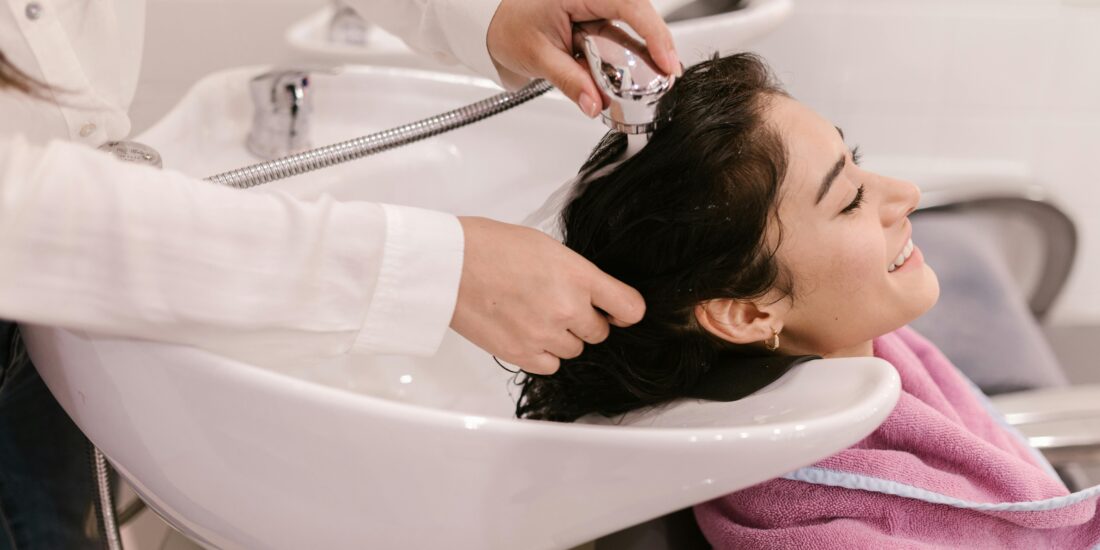
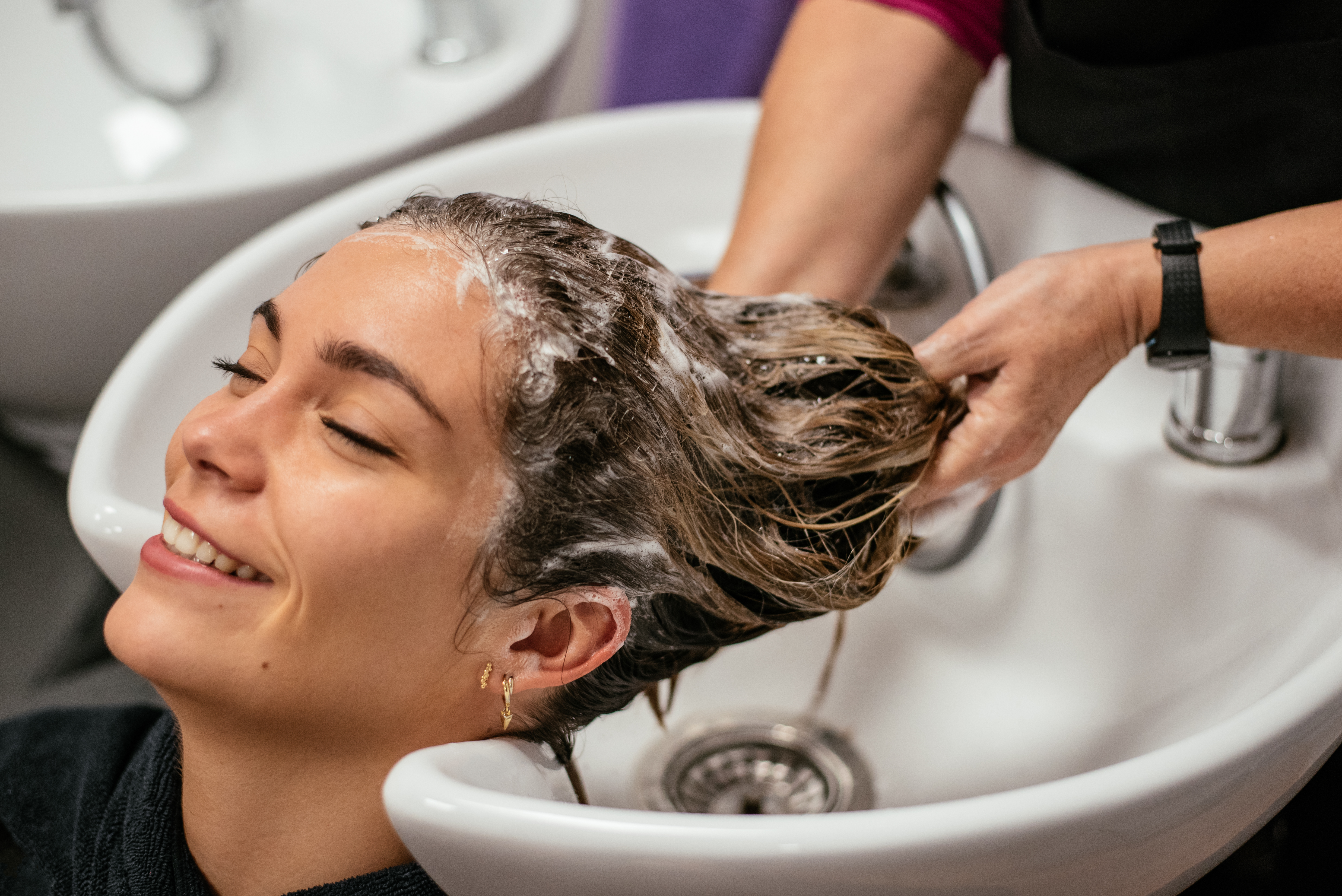
At Niche Salon Bangkok, we’ve adopted a philosophy that reflects this nuanced understanding of silicones. Our approach prioritizes the safest ingredients for our clients, which means most of our product selection is silicone-free. For all our salon services – whether you’re coming in for a shampoo and blow dry or a complete haircut and styling – we exclusively use silicone-free shampoos from trusted professional lines including Bonacure by Schwarzkopf, Davines, and Natulique. We believe in respecting our customers’ health while delivering the exceptional hair results they expect from each session.
However, we also recognize that hair care isn’t one-size-fits-all. In specific cases – perhaps for severely damaged hair requiring intensive repair, or for clients with particular styling needs – silicone-containing treatments may have their place when used under the right conditions and with proper understanding of their effects.
This balanced perspective allows us to customize our approach for each client. We might recommend silicone-free maintenance products for daily use while occasionally incorporating targeted silicone treatments for specific concerns. The key is transparency with our clients about what we’re using and why, ensuring they’re informed partners in their hair care journey.
Rather than following blanket rules about ingredient avoidance, we focus on results. Your hair’s health, appearance, and manageability are the ultimate measures of whether any ingredient – silicone or otherwise – belongs in your routine. In a world full of beauty absolutes, embracing this individualized, health-conscious approach might just be the most responsible choice of all.